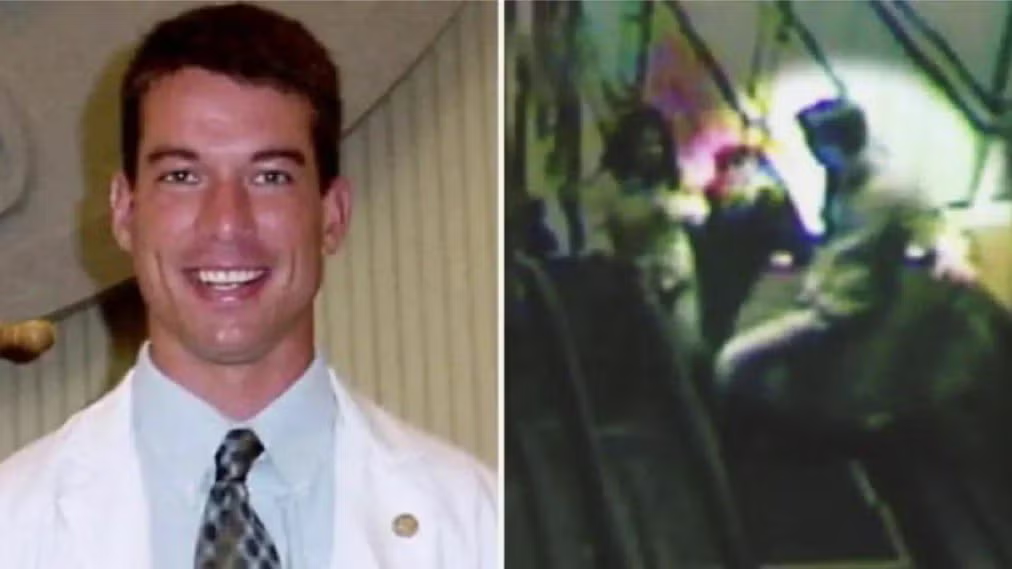

What happens when a criminal investigation goes cold? In the policing world, a case is typically designated as ‘cold’ when all investigative leads have been exhausted and no new evidence is emerging.
The Review Process
Returning to a case years or even decades later requires a structured, analytical approach. It is not simply a matter of rereading old notes. Detectives must look at the evidence with fresh eyes, asking:
- What assumptions were made in the original investigation?
- Have forensic methods advanced to the point where old exhibits can yield new DNA profiles?
- Have relationships changed? People who were afraid to speak in 1985 might be willing to talk in 2026.
Reconsidering Evidence
Evidence gathered decades earlier may take on a different significance when investigators apply new forensic methods and reconsider earlier assumptions. For example, familial DNA searching and genetic genealogy have recently cracked cases that were previously thought unsolvable.
[!NOTE] Reopening a cold case is a massive commitment of resources. Police forces must balance the potential for a breakthrough against the ongoing demands of active investigations.